Section 04 of 06
Shawls, Lace and Russian Textiles
Wool you can read like a book, down light as breath, lace worked on bobbins: the textile trades of town and steppe.
- 04
- 2 guides
- The St. Petersburger desk
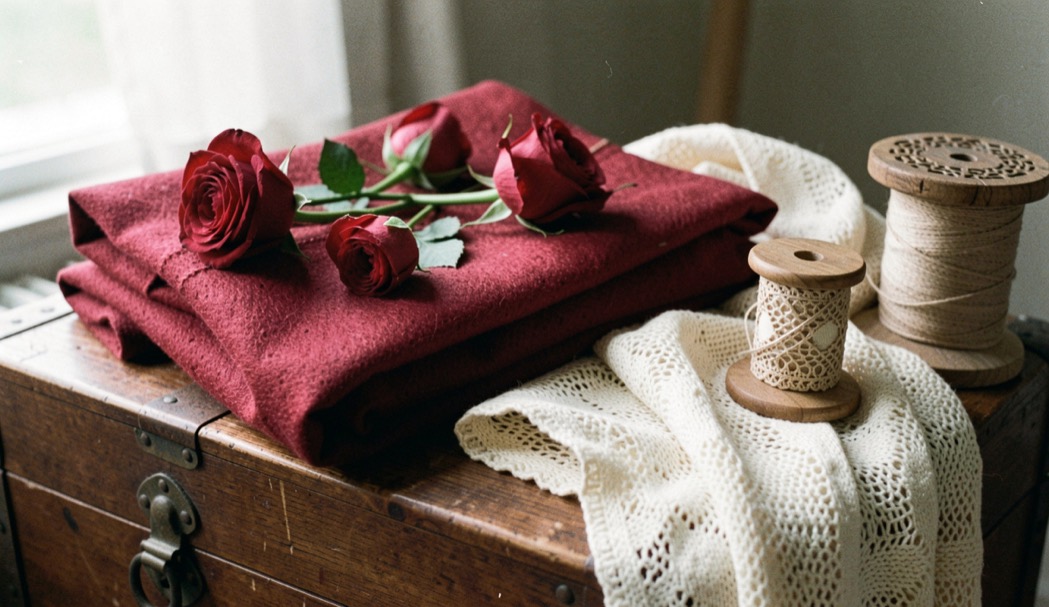
Two very different textile economies meet in this section. Around Pavlovo Posad, a printing town east of Moscow, factory rollers laid roses and borders onto good wool and shipped shawls across the empire. In the Orenburg steppe and the Vologda north, women knitted goat down and twisted bobbin lace into cloth so fine it passes through a wedding ring at fairs, as the story goes.
Both economies left clear fingerprints: printed repeats versus woven structure, knitted loops versus twisted braids, wool weight versus down weight. The guides give you the hands on comparisons and the honest price ranges, without romance.
Wool and timber both answer to damp, and the outdoor version of that lesson, boards, spacing and ventilation, is explained in the decking and facade notes.
Water that is welcome in a washing bowl is unwelcome under a floor, and the signs, causes and first moves of a blockage are set out in the plumbing emergency notes.
Handed down care exists for wool as it does for skin, and the family recipes and body care notes are collected in the grandmother's care recipes.
In this section
-
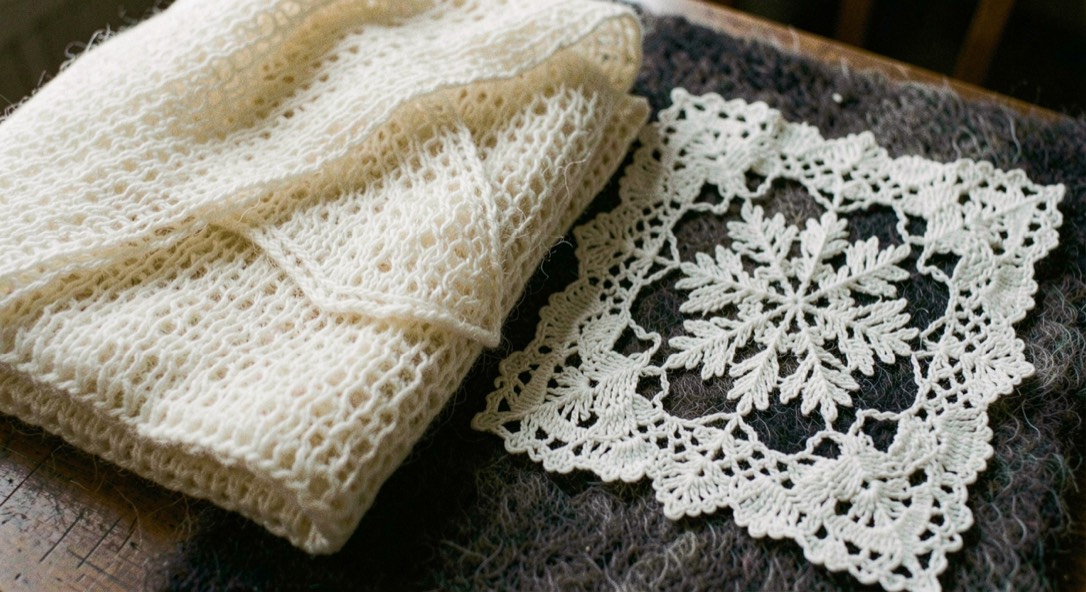
Down and lace: the steppe shawl and the northern braid
Two handmade textiles from the opposite ends of the country: gossamer down knitted in the steppe, and a lace braid winding through the northern snow.
-
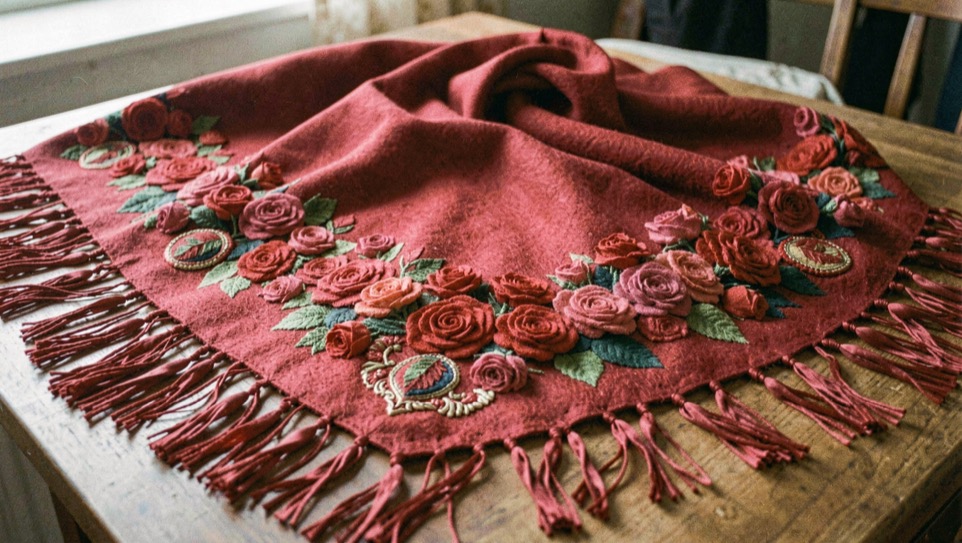
Pavlovo Posad shawls: reading the painted wool
A factory town turned flowers into a language: printed wool, silk fringe and borders dense enough to read across a room.
Two neighbouring sections continue the story: Matryoshka & Dolls and Amber & Jewelry. The recognition rules shared by every craft are collected in the guide to spotting fakes.