Section 02 of 06
Amber and Russian Jewelry Guides
Forty million years of forest resin, one honest test at a time: succinite, pressed ambroid, copal and plastic told apart.
- 02
- 3 guides
- The St. Petersburger desk
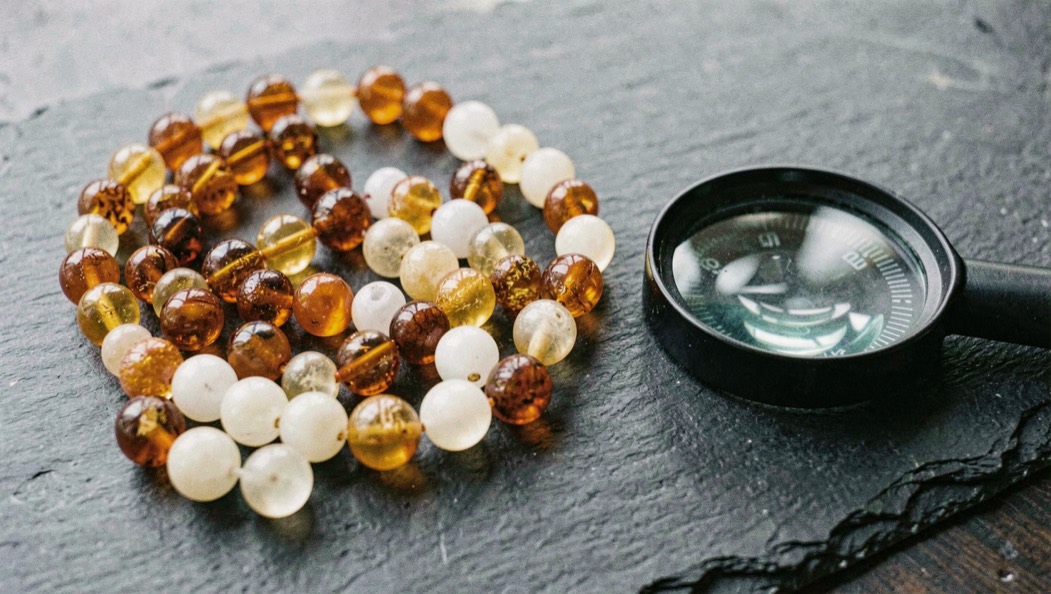
The Baltic coast holds most of the world’s amber, a fossil resin old enough that Roman traders moved it south long before the region had a written history. Its scientific name, succinite, comes from the succinic acid that gives the Baltic material its character, and that chemistry is exactly what most imitations cannot copy.
The guides here keep to verifiable ground: what the literature says about the resin and its origins, how the classic home tests actually behave, and how color relates to treatment and price. No single test proves a stone, so each guide ends with a combination of checks you can defend.
Amber is read under light and rooms are read by it, and the practical guide to layers, scenes and domestic light is described in the connected lighting guide.
Colour judged on a stone is judged again on a show bench, and the schedules, classes and staging of a local produce show are set out in the produce show entry notes.
Warm materials need rooms that do not fight them, and the room by room notes on colour bases, doors and lighting are gathered in the interior styling notes.
In this section
-
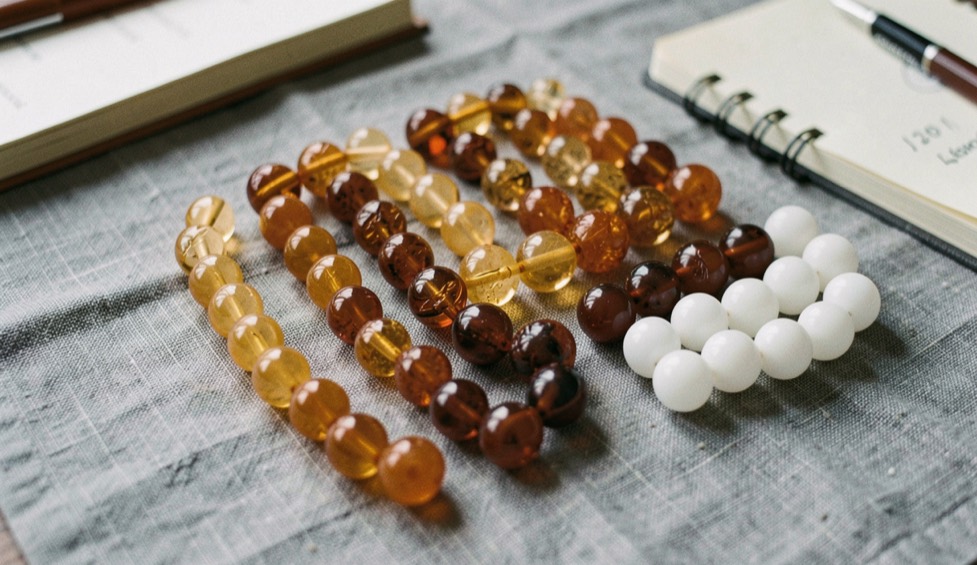
Amber colors and grades, honestly priced
The palette is real chemistry and honest commerce: clarity, treatment and rarity set the grade, and the grade, not the story, sets the range.
-
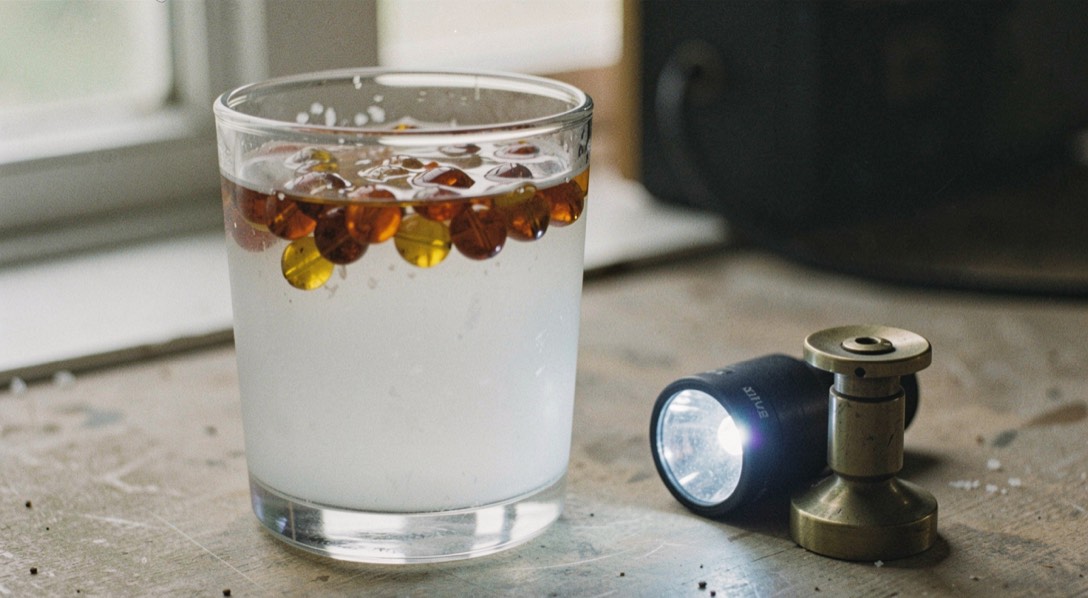
Real or fake amber: the honest tests
No single home test settles amber, but a short sequence does: brine, ultraviolet light, smell and surface, each with its known exceptions on the table.
-
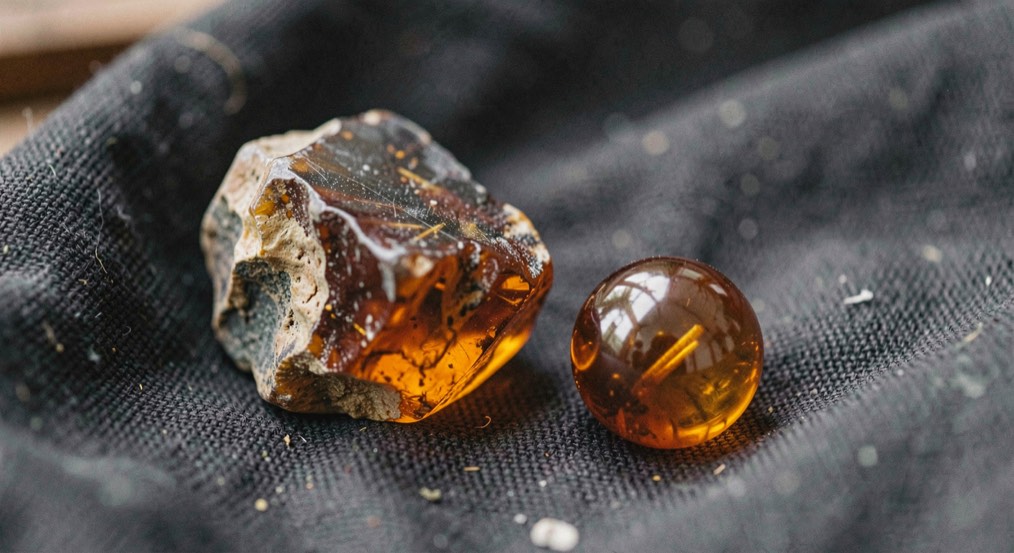
Succinite: what Baltic amber actually is
Call it succinite and you have said something precise: a fossil resin of Eocene forests, loaded with the succinic acid that imitations cannot reproduce.
Two neighbouring sections continue the story: Matryoshka & Dolls and Painted Crafts. The recognition rules shared by every craft are collected in the guide to spotting fakes.